>_ ANALYSIS
Greece’s Corsair trials suggest a buy, but not yet a doctrine
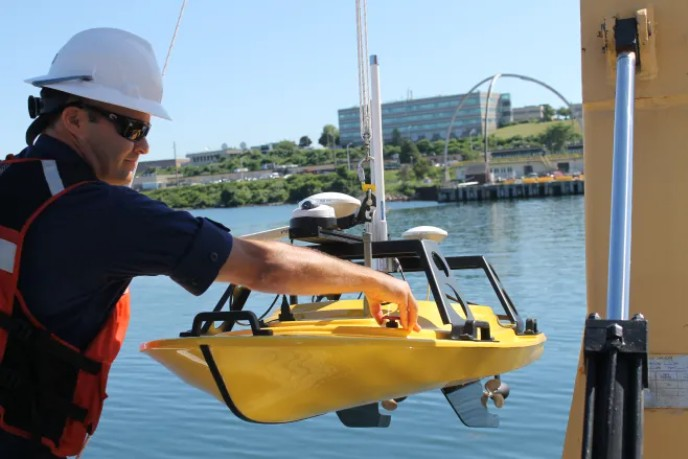
### What changed The Hellenic Navy is no longer just evaluating unmanned surface vessels in the abstract. Naval News reports that it is testing Corsair USVs from Saronic and has already sent a Letter of Request to the United States for at least 30 vessels. If that request turns into an approved Foreign Military Sales c

What changed
The Hellenic Navy is no longer just evaluating unmanned surface vessels in the abstract. Naval News reports that it is testing Corsair USVs from Saronic and has already sent a Letter of Request to the United States for at least 30 vessels. If that request turns into an approved Foreign Military Sales case, Greece would be moving from experimentation to a fleet-scale unmanned program.
That shift matters less because of the platform itself than because of what a 30-boat order would force the navy to decide: whether USVs are meant to extend sensors, disperse risk, or become a real combat layer. A small trial can be absorbed as innovation theater. A larger buy creates organizational commitments — training, mothership support, maintenance, command-and-control, and rules for when an unmanned craft is supposed to lead, follow, or be sacrificed.
The mechanism behind the significance
The source material points to three things happening at once: trials, institutional evaluation, and procurement signaling. Naval News says the Ministry of National Defence described the Corsairs as having undergone extensive trials and being successfully evaluated by the Hellenic Navy. It also says the request was submitted through the government-to-government FMS channel. That combination suggests this is not just a demo run; it is an attempt to move an unmanned concept into a procurement lane with formal logistics and support.
The operational implication is straightforward. A USV fleet only becomes useful when the navy can do more than launch it. It needs a concept of operations, a support rhythm, and a reason to keep the vessels in the water after the headlines fade. The article notes that the trials involved fleet units and that support ships may have served as motherships. That is the part worth watching, because mothership integration is often where unmanned programs become real or stall out. The hardware may be simple; the routine is not.
A plausible alternative reading
The strongest counter-explanation is that this is still signaling more than transformation. The source relies partly on a ministry video and partly on reporting that Greece plans to acquire at least 30 vessels. The exact LOR quantity is not specified in the ministry account, and there is no contract award yet. Greece may simply be testing options, building bargaining leverage, or using the Corsair as one piece of a broader domestic autonomy push.
That alternative remains credible because procurement requests do not guarantee procurement decisions. Governments often use trials to compare suppliers, satisfy industrial goals, or create pressure for future budget choices. The evidence here shows interest and progression, not commitment at scale.
Why the distinction matters
If the request is approved in something close to the reported size, Greece will not just be buying boats; it will be buying a new category of maritime dependency. The navy would need reliable links, launch-and-recovery procedures, operator training, and a doctrine for how far it trusts autonomy in contested waters. Those are the real costs. The platform is the visible part; the integration burden is the hidden one.
So the best judgment is restrained: the evidence supports a serious procurement path, not a finished capability. The signal to watch next is whether the ministry or the U.S. side confirms the quantity, contract structure, and intended mission set. Confirmation of a large order would strengthen the case that Greece is building a standing unmanned maritime force; a smaller award, a delay, or a shift to a different platform would weaken it.
Source: https://www.navalnews.com/naval-news/2026/10/hellenic-navy-tests-saronics-corsair-usv-ahead-of-major-order/